Millet Cookies vs Regular Biscuits: An Honest Side-by-Side
Millet cookies against the mass-market pack: flour, sweetener, fat, fibre and flavour compared honestly, including where the ordinary pack genuinely wins.
What is actually different between a millet cookie and a regular biscuit?
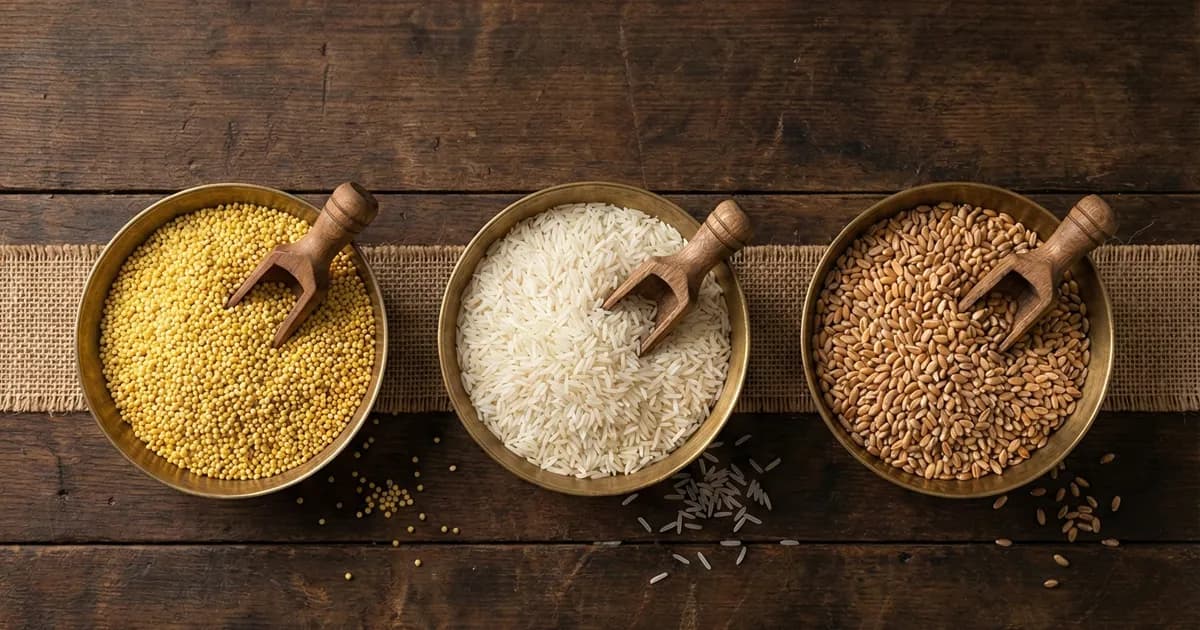
Strip away the marketing and the differences come down to four ingredients. Flour: mass-market biscuits are built on maida - refined wheat flour with the fiber and minerals milled out - while a true millet cookie is built on whole millet flour (Milletan's Ancient Bake cookies declare ragi or jowar as the first ingredient, with no maida). Sweetener: regular biscuits use refined sugar; the Ancient Bake recipes use jaggery. Fat: commodity biscuits typically use the cheapest workable fats, while small-batch bakers name the fat on the panel - Ancient Bake uses salted butter, and Classic Bake names butter or vegetable fat recipe by recipe. Additives: long-shelf-life biscuits often lean on artificial colours and flavourings; small-batch cookies can skip them. None of this makes a millet cookie a health food. It makes it a better-built cookie.
Key topics: biscuit ingredients compared, maida vs millet flour, jaggery vs refined sugar
Why does the flour matter more than anything else on the label?
Because flour is most of the biscuit. Whatever grain makes up the bulk of the recipe decides its fiber, minerals, and how it behaves in your body. Maida is fast-digesting starch with almost no fiber; whole ragi carries roughly 7g of fiber and 344mg of calcium per 100g, and jowar brings its own fiber and iron. Fiber may support satiety - the practical difference between a biscuit that holds you until dinner and one that asks for three more of itself. Sweetener and fat matter, but they are seasoning on a decision the flour already made.
Key Benefits
- Whole millet flour retains fiber that may support fullness; maida has almost none
- Ragi and jowar carry naturally occurring calcium and iron that refining removes
- Jaggery replaces refined sugar in Ancient Bake recipes with a rounder sweetness
- Small-batch baking skips artificial colours and preservatives
- Millet printed first on the ingredient list makes the claim verifiable, not decorative
How to run the comparison yourself in the biscuit aisle
- 1Read the first three ingredients
They are most of the product. Maida first means a maida biscuit, whatever the front of the pack claims.
- 2Read the ingredient order
Serious millet products put the millet first - Milletan's Ancient Bake cookies declare ragi or jowar in first position. Millet near the end of the list usually means a token sprinkle.
- 3Find the sweetener by name
'Sugar' means refined sugar. Jaggery, when used, is named - and 'no refined sugar' is a different, honest claim from 'sugar-free'.
- 4Check what is absent
No artificial colours, no preservatives, no maida - absences are claims too, and the ingredient list either backs them or it does not.
Explore more from Milletan
Frequently Asked Questions
Quick answers to common questions about this topic
They are better-built: whole grain instead of refined flour, jaggery instead of refined sugar, no artificial colours. Whole grains bring fiber and minerals that may support everyday nutrition - but a cookie is still a treat, and portion sense applies either way.
Price and uniformity. Mass-produced maida biscuits are cheaper and identical packet after packet. If cost per biscuit is the only measure, they win; if what the biscuit is made of matters, they do not.
They taste like cookies with more character. Ragi Cacao reads as a rich chocolate cookie with an earthy depth; Jowar Bella as a light almond cookie. The texture is crisper and more delicate than a chewy maida biscuit.
Jaggery is less processed than refined sugar and carries caramel-like depth that suits millet flours. It is still a sweetener to enjoy in moderation - the honest claim is 'no refined sugar', not 'sugar-free'.
Read the ingredient list in order. The millet should come first with a declared percentage, maida should be absent, and the sweetener named. Milletan prints all of this on every Ancient Bake pack.
Milletan Editorial Team
Verified BrandPublished by Milletan.
Related Articles
Continue exploring millet nutrition and healthy living
 Nutrition Science
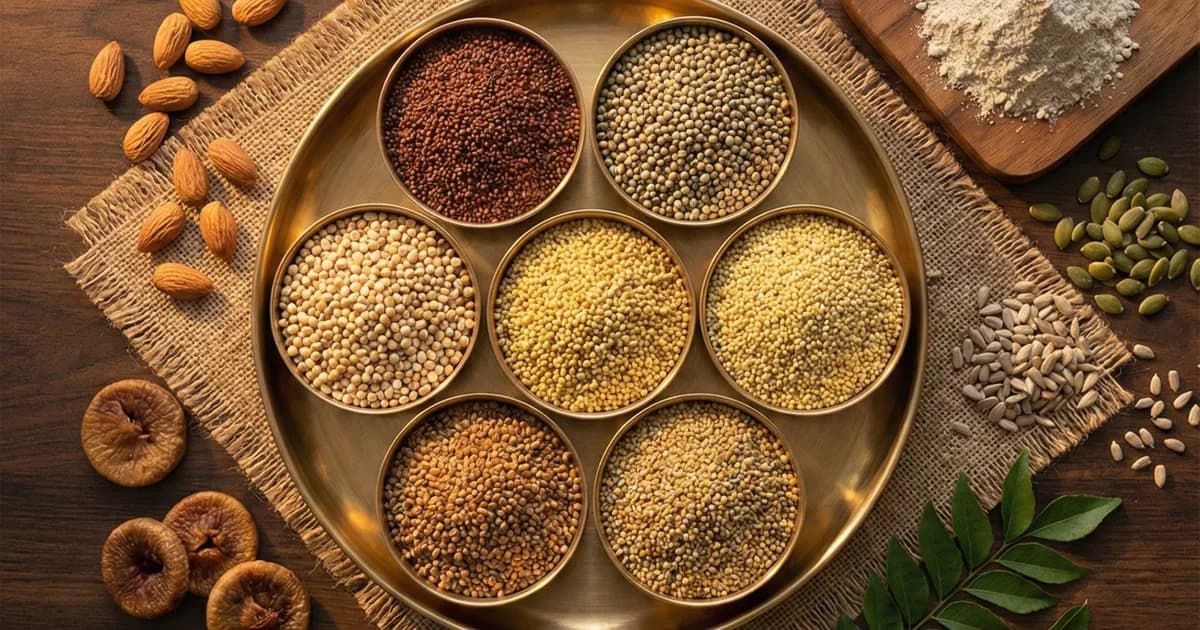
Ragi Cookies: Why Finger Millet Deserves a Place in Your Snack Jar
Ragi (finger millet) brings naturally occurring calcium, iron, and fiber to the humble cookie.
Read more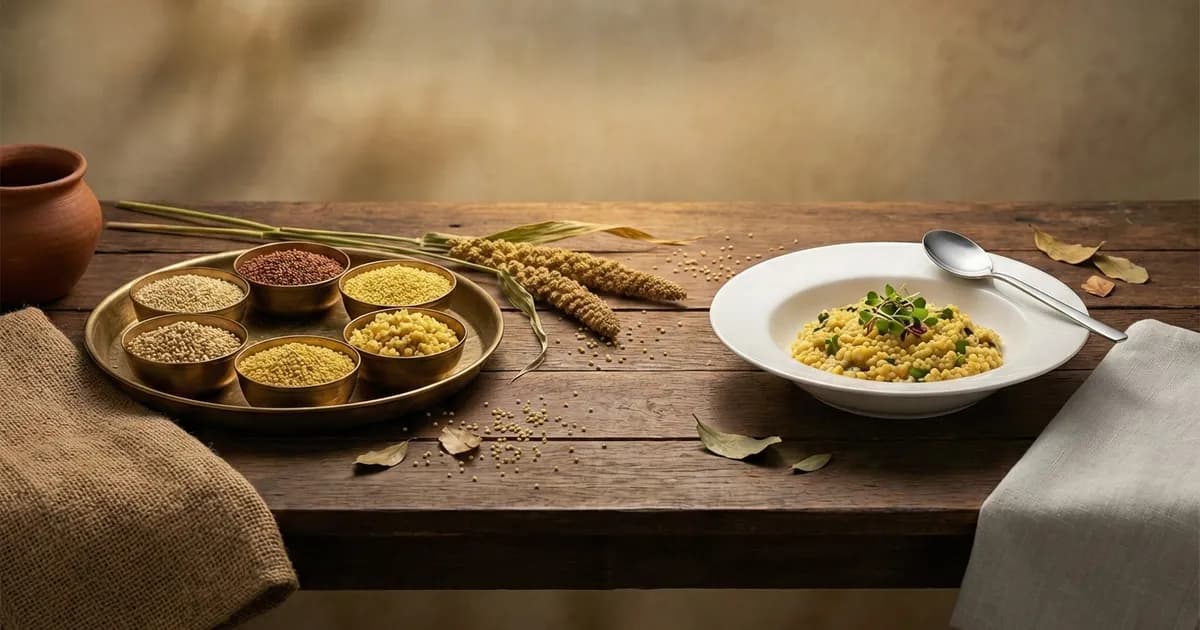 Cooking & Recipes
Jowar and Bajra in Baking: How Ancient Grains Behave in the Oven
Jowar bajra baking, decoded: sorghum bakes light and nutty, pearl millet dense and warm.
Read more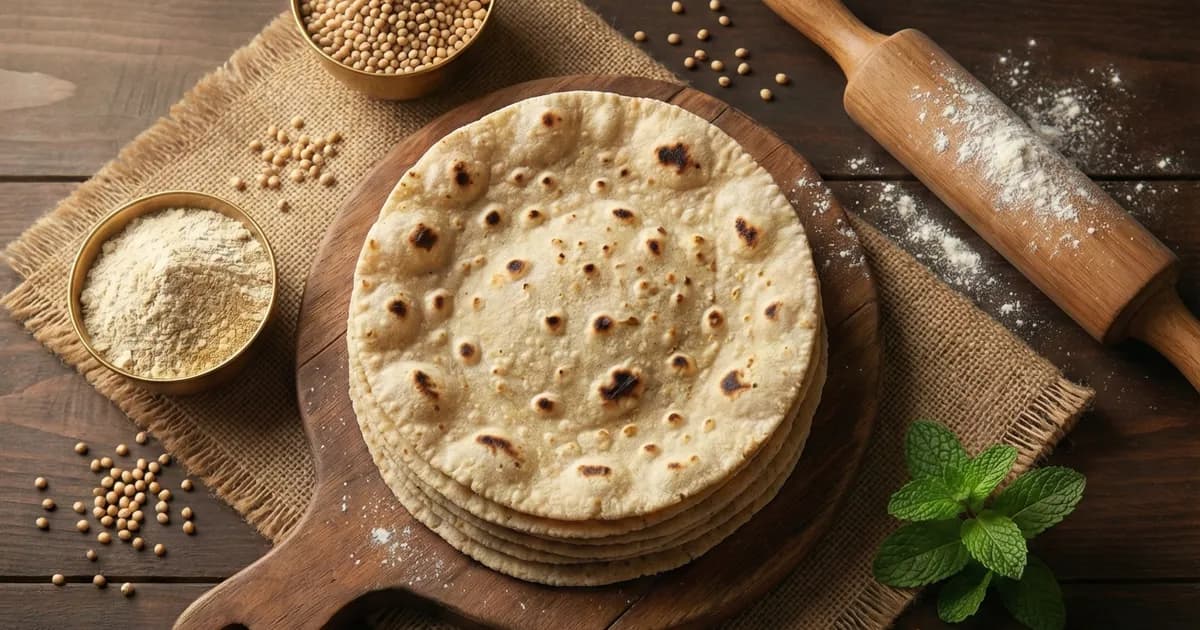 Healthy Living
The No-Maida Snack Shelf: Rethinking What Lives in Your Cookie Jar
No maida is rarer than the label suggests.
Read moreTry Milletan's Millet Snacks
Love millets? Skip the kitchen and grab our ready-made cookies - baked in small batches, with no preservatives and no artificial colours.